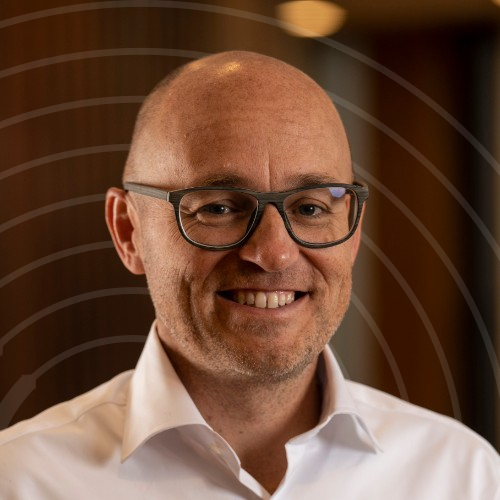
A one-year immersive journey for leaders ready to navigate complexity and drive transformation. Co-designed with Kate Raworth, Daniel Schmachtenberger, Indy Johar and leading systems thinkers.
%201.png)
We live in a polycrisis of interconnected challenges. Climate change, inequality, mental health decline, democratic erosion - not separate problems but symptoms of systems rooted in dominance, accumulation and extraction. Iterative approaches and siloed solutions can reduce immediate harm but achieve little regarding deep-rooted systemic change.
Within every breakdown lies the potential for a breakthrough.
Our world is not a machine to be optimised. It is a complex and beautiful ecosystem of actors swimming in ever-changing conditions and intangible relationships. Systems leadership requires understanding not just the parts but the relationships and dynamics between the parts.
What we need is leadership that doesn't seek to dominate systems but learns to dance with them, to see the patterns beneath the chaos and move with the forces of transformation.
That's why we've brought together some of the most radical and brilliant thinkers at the forefront of systems change to co-design a program as ambitious as the moment demands.
Our current economic system has been built on the assumption that the economy is a machine to be optimised and the world itself is a resource to be put to use. This logic assumes that, like a machine, the parts of our economy fit together in an efficient order and can be controlled, separated, and optimised in isolation to improve the overall functioning of the machine. This 'machine' paradigm is incredibly effective at producing profits, growth, and linear outcomes in an economy that externalises complexity.
However, our world (and our economy) is not a machine to be optimised. Instead, it is a complex and beautiful ecosystem of actors swimming in an ever-changing set of conditions and intangible relationships that act and produce outcomes in novel and non-linear ways. The metaphor of a forest might serve us better if we want to understand the world and our relationship to it.
Systems leadership requires a deep understanding of the nature of interconnectedness, the power of positive and negative feedback loops, going beyond direct effects and towards multi-order impact, and appreciating and taking responsibility for externalities. It's the art and science of leading across sectors and disciplines, across both space and time, building unique coalitions, and identifying and acting on leverage points for transformational change.
It's about moving beyond the collapsing paradigms of our time, forging bold new pathways, and cultivating the wisdom to lead in ways that regenerate, reframe, and reimagine what is possible.
It's about a Mastery of Systems Leadership.

%20Day%203%20-%20a%20walk%20into%20the%20forest.jpeg)
The Mastery of Systems Leadership (MSL) is for leaders, change-makers, and innovators ready to navigate complexity and drive systemic change.
Whether you’re in business, policy, philanthropy, or community leadership, this program equips you with the tools, mindsets, and networks to be effective across sectors. You might be:
If you're ready to embrace new modalities of leadership for meaningful impact and move beyond siloed solutions and unhelpful dichotomies such as left and right or mind and body, this program is for you.
To explore how this program aligns with your background and expertise, our team is here to connect with you. Schedule a conversation or send us an email at msl@smallgiants.com.au
"The Mastery of Systems Leadership program has been beautifully designed to look at both inner and outer dimensions of systems change and skillfully navigates the tension between understanding the complexity of systems and discovering the agency to bring about systems change. Highly recommend the program for those who feel the self-terminating predicament that many of us feel living through climate chaos in 2025."
"Soulful, wise, deep and generously human. Mastery of Systems Leadership has the big name system thinkers in an intimate setting. It is unafraid to do the very personal and the very conceptual work. It effortlessly oscillates between it, and is rich with models and tools designed to enable the actual work. The combination is rare, and the skilfulness of facilitation even more so. The duration of MSL allows it to take it slow and build a real community of practitioners and system thinkers."
The Small Giants Mastery of Systems Leadership program has been truly transformational (and we’re only halfway through, with so much more to come!). The intentional design of each module, the depth of the cohort, and the wisdom and generosity of our guides and speakers have created a learning space unlike anything I’ve experienced. The MSL arrived at a pivotal moment for me, helping me rediscover my voice and clarify my role in shaping the future systems we need. I’m deeply grateful.



Kate Raworth (pronounced ‘Ray-worth’) is a renegade economist focused on making economics fit for 21st century realities. She is the creator of the Doughnut of social and planetary boundaries, and co-founder of Doughnut Economics Action Lab.
Her internationally best-selling book Doughnut Economics: seven ways to think like a 21st century economist has been translated into over 20 languages and has been widely influential with diverse audiences, from the UN General Assembly to Pope Francis to Extinction Rebellion.

Nora Bateson is an award-winning filmmaker, writer and educator, as well as President of the International Bateson Institute, based in Sweden. Her work asks the question “How we can improve our perception of the complexity we live within, so we may improve our interaction with the world?”. An international lecturer, researcher and writer, Nora wrote, directed and produced the award-winning documentary, An Ecology of Mind, a portrait of her father, Gregory Bateson. Her work brings the fields of biology, cognition, art, anthropology, psychology, and information technology together into a study of the patterns in ecology of living systems. Her book, Small Arcs of Larger Circles, released by Triarchy Press, UK, 2016 is a revolutionary personal approach to the study of systems and complexity.
.png)
Indy Johar is an architect, teacher and leader focused on systemically changing the way we build our urban environments through regenerative redesign, distributional care and democratising access to spaces. He is the founding Executive Director of both Architecture 00 and Dark Matter Labs and co-founder of Impact Hub Birmingham and Open Systems Lab. He was a Senior Innovation Associate at the Young Foundation, has lectured at many universities globally and is currently teaching at RMIT. His work includes concern for aligning our incentives across civic systems to more accurately orient our lives toward intrinsic value.

Dominic initiated and incubated the TransCap Initiative when he was the Director of Capital and Investments at EIT Climate-KIC, Europe’s largest climate innovation initiative, where he was responsible for building the organisation’s nascent investment function. Before joining EIT Climate-KIC in 2015, Dominic had worked as an entrepreneur at the renewable energy start-up Electrochaea, as a private equity investor at Hudson Clean Energy Partners, and as a finance professional in the institutional asset management division of Credit Suisse. He holds an MBA from the University of Chicago Booth School of Business and an MSc from the Environmental Change Institute at the University of Oxford.

Charly Kleissner is an impact investor who sees true wealth as contributing to humanity and the planet. A leader in the deep impact movement, he focuses on addressing the root causes of systemic issues with a non-anthropocentric perspective. For him, impact investing is an expression of identity, not just an intellectual pursuit. He co-founded KL Felicitas Foundation, Social-Impact International, Toniic, and the 100% Network, which directs over $10 billion toward impact. He serves on multiple boards, including The Club of Rome and the Schwab Foundation. A former Silicon Valley executive at NeXT and Ariba, he holds a Ph.D. in Computer Science from the University of Technology, Vienna.

The throughline of his interests has to do with ways of improving the health and development of individuals and society, with a virtuous relationship between the two as a goal.
Listen to Dumbo Feather Podcast: Daniel Schmachtenberger PART 1: social philosopher, thought leader, sensemaker


Dr. Julia Kim joined the Gross National Happiness Centre of Bhutan in 2013, after serving as a member of the International Expert Working Group for a New Development Paradigm. Julia brings a background in programs, policy, and research in the fields of global health and sustainable development with the UN. Julia co-hosts our safaris in Bhutan.

Ingrid is Co-Director of The Good Shift, a women-led enterprise supporting systems innovation for green and just futures. With a background in design, social work, economics, and business, she has worked across sectors and geographies to shift systems for better outcomes for people, places, and the planet. Formerly Professor and Director of the Griffith Centre for Systems Innovation, she has founded five social ventures and led work in areas including social procurement, impact investment, and place-based innovation. She is a Past President and Honorary Ambassador of the International Association for Community Development and continues to foster participatory approaches to regenerative futures.

Katherine is a political economist, writer, and advocate for economic system change. She co-founded the Wellbeing Economy Alliance (WEAll) and its Scottish hub, and played a key role in forming the Wellbeing Economy Governments (WEGo) initiative. She is Writer-at-Large at the University of Edinburgh, Economic Change Lead at The Next Economy, and Strategic Advisor to the Centre for Policy Development. A member of the Club of Rome, she also serves on boards including the Centre for Understanding Sustainable Prosperity and The Democracy Collaborative. Katherine is currently a 2024 Thinker-in-Residence with the Australian Health Promotion Association and a Senior Fellow at the ZOE Institute.
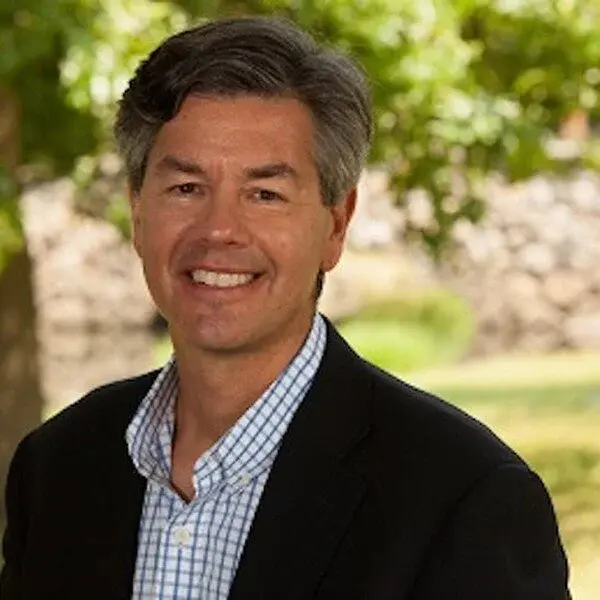
The MSL offers a journey through the landscapes of systems change, integrating thinking, action, and leadership to navigate the metacrisis.
.png)
%20(1).jpg)
Kaj (pronounced Kai) is the CEO of Regen Melbourne, an engine for ambitious collaboration, in service ofMelbourne. Powered by an alliance of more than 200 organisations, Regen Melbourne is the host of bold projects that are moving Melbourne towards a regenerative future
Kaj is also the Director of Action Labs atSmall Giants Academywhere he leads the creation of newinitiatives and collaborates on the Academy’s education and storytelling programs.
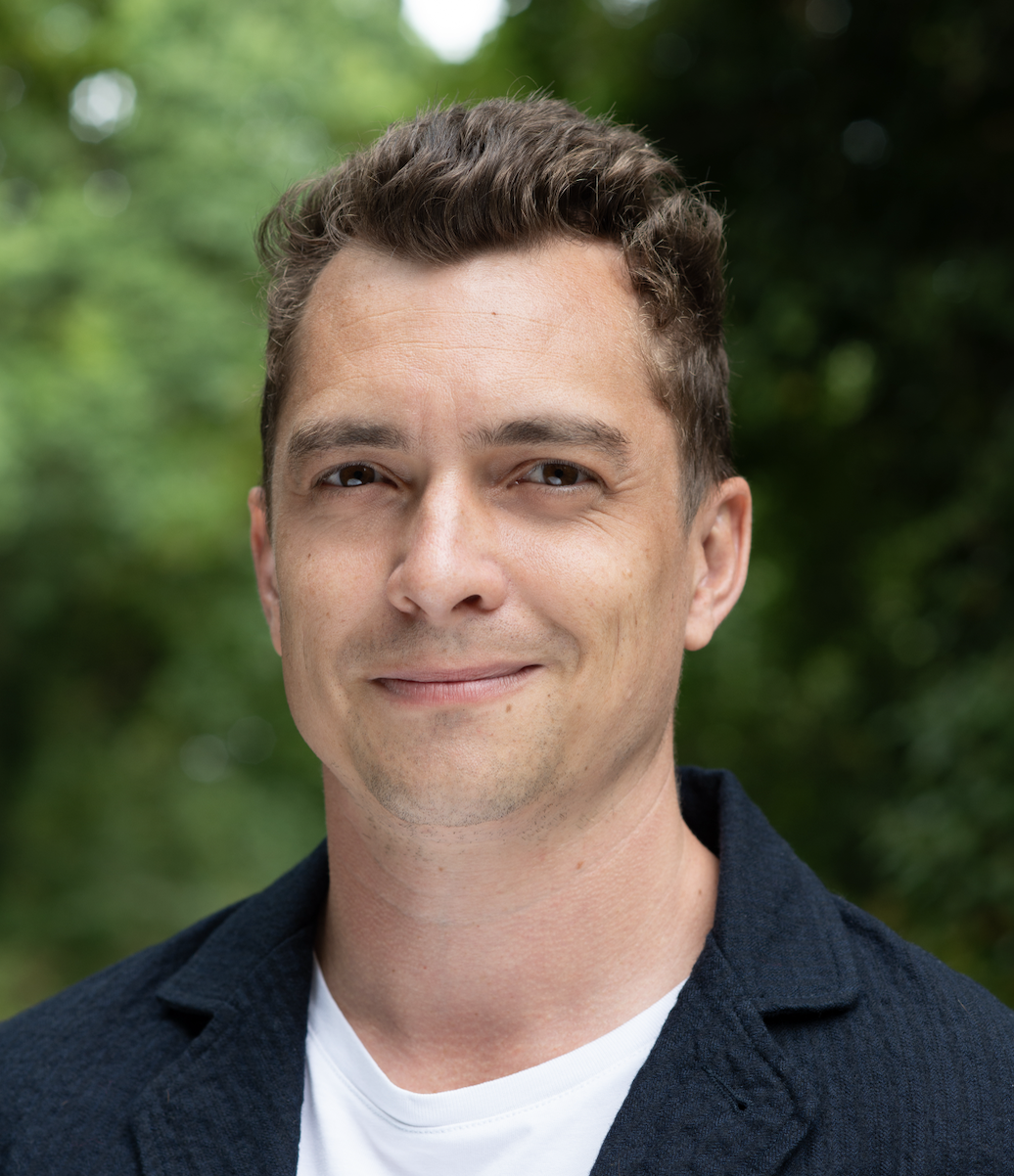
Ali is an author, journalist and facilitator focused on bringing new ways of seeing and being from the margins of culture into the mainstream. Through writing, and by creating transformative experiences that invite us to find ways to evolve and thrive in the chaotic times we live in. Previously as Founder of Rebel Wisdom, Ali continues to explore the cutting-edge of systems change and cultural cohesion. He joins the team as Chief Sensemaking Officer, stewarding the curation of our programs.

Anne is a systems thinker, unapologetic ecofeminist, and CEO of Be The Earth, where she oversees the organisation’s work across a spectrum of philanthropic initiatives, regenerative businesses, and ethical investments. With 15 years of experience in community building and political hacking in Brazil, she is deeply committed to participatory democracy, care-centered economies, and deep adaptation in the face of global crises. Before stepping into transformative capital and systems change, Anne served as a co-Member of State Parliament in São Paulo, following years of activism for women and children. While making and nurturing the life of her three children, she founded and co-led numerous grassroots initiatives, centering mothers as key agents in democratic participation and social justice movements. Originally trained as an artist, Anne brings a rare balance of logic and mysticism to her leadership, navigating complexity with both strategic clarity and intuitive depth. She holds a postgraduate degree in Public Policies for Children and Youth and a Mastery in Business and Empathy from Small Giants Academy. Her work is driven by the belief that economic systems must transition toward care and regeneration, while also embracing the necessity of radical adaptation.

Eleanor is a curator of immersive experiences, bringing people together to explore the ideas defining our time.
Eleanor is the Executive & Creative Director of TEDxSydney, most recently co-curated the Forest Economics Congress with MONA (Museum of Old and New Art, Tasmania) and designed the Climate Leadership Accelerator for Small Giants Academy.
She was previously the Head of Programs at Small Giants Academy, co-creating deep impact learning journeys including the Mastery of Business and Empathy, Impact Safaris to Israel and Palestine (conflict & innovation), Bhutan (GNH & systems of measurement) and the Tarkine Rainforest (regeneration of people and place), as well as various courses exploring the interplay of wisdom and action required to meet global challenges.
Prior to this, Eleanor was the Managing Director of The School of Life Australia, a platform exploring emotional intelligence through philosophy, anthropology and culture, staging ambitious public programming with interdisciplinary thought leaders across the country.
Eleanor co-founded First Light to contribute to the growing global community investing in climate responses. She is a board director for Groundswell Giving and co-chair of the Atelier Council at the Art Gallery of New South Wales.
Ingrid is Co-Director of The Good Shift, a women-led enterprise supporting systems innovation for green and just futures. With a background in design, social work, economics, and business, she has worked across sectors and geographies to shift systems for better outcomes for people, places, and the planet. Formerly Professor and Director of the Griffith Centre for Systems Innovation, she has founded five social ventures and led work in areas including social procurement, impact investment, and place-based innovation. She is a Past President and Honorary Ambassador of the International Association for Community Development and continues to foster participatory approaches to regenerative futures.
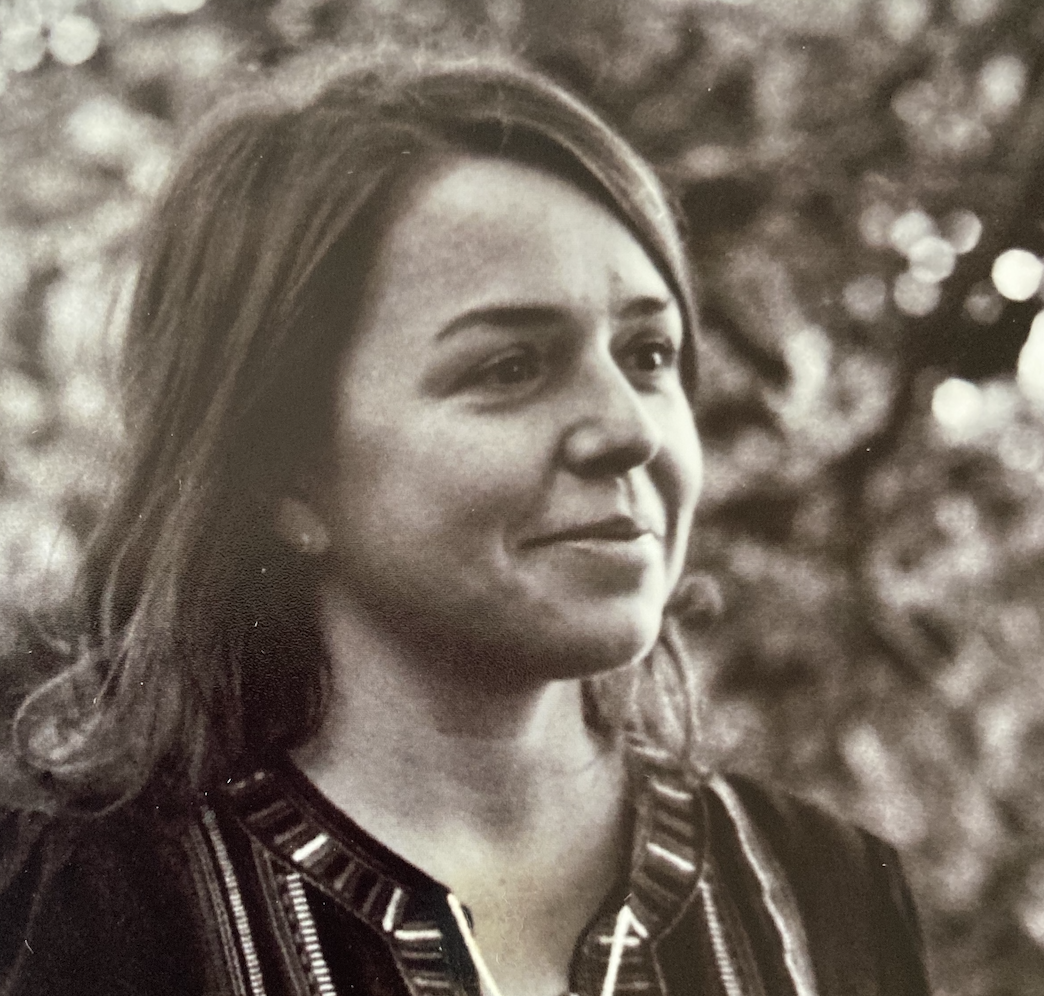
Magdalena is the Head of Mastery of Systems Leadership. She is a writer, community builder, program curator and creative strategist. Her experience spans philanthropy, policy, social impact and community capacity building in business, government, investment and not-for-profit contexts. Most recently, she led the Forest Economics Congress in lutruwita/Tasmania, MONA. She holds a BA in Theatre and Communications and a Masters in Literary Theory. She works in service to community, the natural environment and connections that humanise and generate increased possibilities for equitable and liveable futures.
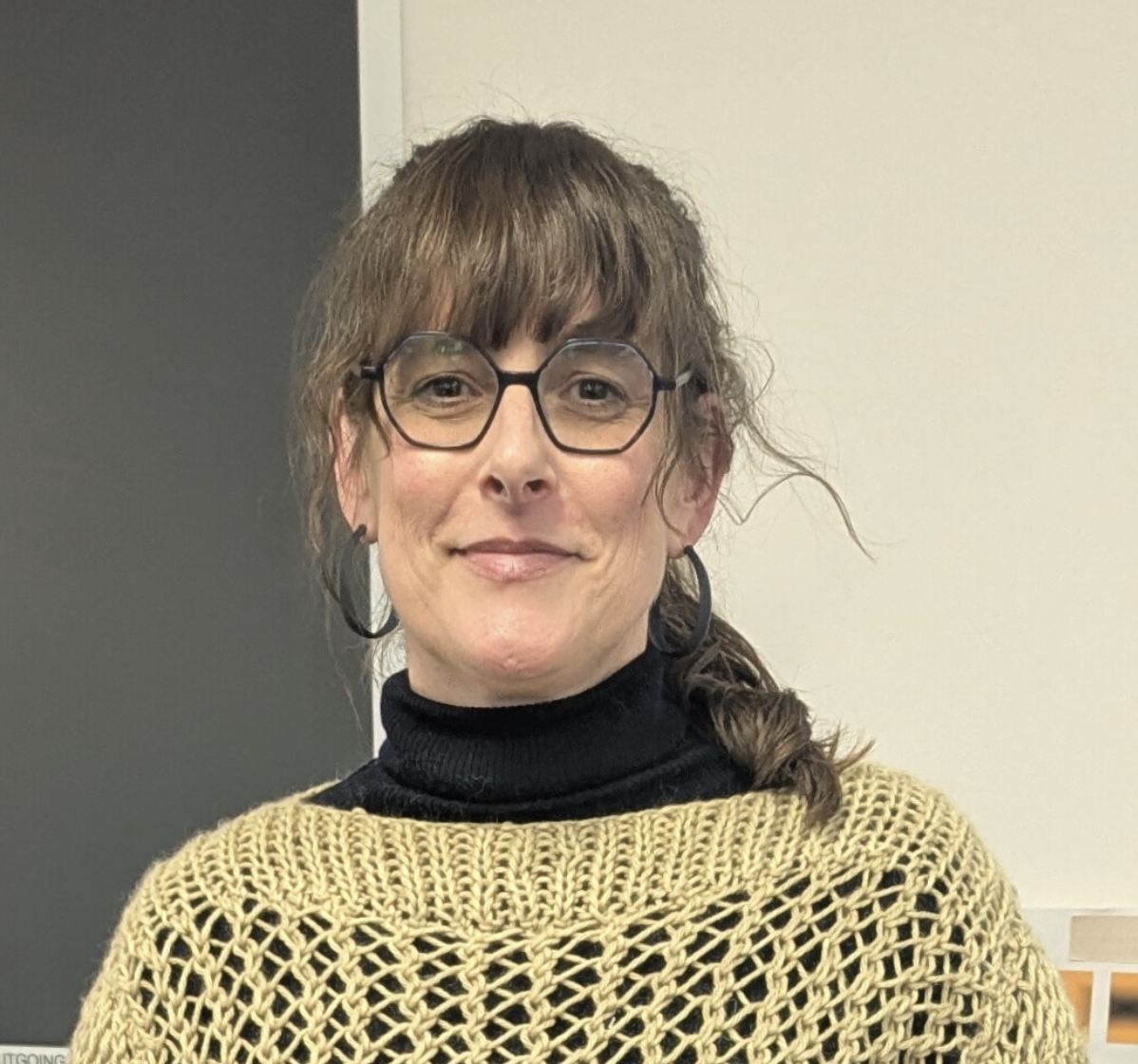
Jen bridges vision and execution in the cultural sector—translating creative ambitions into functional reality while building the relationships and systems that sustain organisations. Jen brings strategic thinking to complex operations, fosters inclusive team cultures, and navigates diverse stakeholder landscapes from artists and Indigenous communities to government bodies and corporate partners. Jen is a facilitator of cultural experiences and a builder of sustainable infrastructure.
The MSL offers a dynamic journey through the landscapes of systems change, integrating thinking, action, and leadership mindsets to collectively navigate the metacrisis.
Through immersive retreats, live virtual sessions, group collaborations, and expert-led discussions, we will explore the role of place and culture, the power of narrative, the shifts in sectors and capital, and the deep integration of wisdom and action. The program is structured around three core themes:
Two immersive international retreats (Europe + Australia) create space for deep connection and embodied learning. Weekly sessions with global faculty support ongoing application and integration.
– Buckminster Fuller

The MSL is designed as an immersive journey that shifts how you see, sense and act in the world.
Week-long gatherings in Europe and Australia create space for deep connection, reflection and embodied learning. These are carefully designed containers where you can slow down, go deep, and integrate what's emerging.
Throughout the year, three-hour sessions bring you into dialogue with leading systems thinkers and practitioners. These sessions weave together case studies, peer exchange, and real-time application to the challenges you're facing in your work.
You'll learn alongside leaders from across sectors and geographies, developing deep trust and authentic relationships with a depth of perspective that challenges and expands your thinking.
This isn't passive education but an invitation to engage fully. You'll work on projects, personal or collaborative, that integrate frameworks into your context. The learning happens through application and embodied practice, not observation alone.
Upon completion, you join the Small Giants Fellows community — a growing global network committed to the Next Economy. These connections and collaborations continue well beyond the program.
AUD $25,800 (inc. GST) | Approx. €15,100
Flexible payment plans available (3 or 10 months).
We offer limited partial scholarships to ensure the program remains accessible to a diverse community of leaders.
If you'd like to learn more about the program and scholarship opportunities, we invite you to reach out to us at msl@smallgiants.com.au.
.png)
Be The Earth Foundation is a regenerative capital partner and co-creator of the Mastery in Systems Leadership program. As a small, values-led foundation, they explore ethical ways to redistribute wealth and regenerate ecosystems through a blend of trust-based philanthropy and impact investment.
Be The Earth are proud partners of the MSL, contributing to its regenerative core and bold vision that is needed to ignite systemic transformation. In 2025, our founder Seth Tabatznik joined the Small Giants board as Guardian of Purpose, reflecting the deep alignment and shared values between our organisations.
Program Partner Home.Earth
With decades of experience in real estate, architecture and engineering, and a deep passion for sustainability, we are rethinking real estate to serve both people and planet.
Our goal: to design, build and operate homes within planetary boundaries. In short, to meet today’s needs without limiting those of future generations. We know it won’t be easy. But with every project, we take another step in the right direction.


Our advisory board is made up of close collaborators who support each key milestone in bringing the Mastery of Systems Leadership (MSL) to life. They offer guidance on the program’s structure, themes, and materials, and many will also engage directly with participants as guest speakers or session facilitators.
We offer limited partial scholarships to make the program more accessible. These are reviewed on a case-by-case basis after an application is submitted and shortlisted. Scholarships typically cover 15% and up to a maximum of 50% of the total program fee and are awarded based on financial need, availability, and the makeup of the applicant pool.
Yes. We offer standard 3-month and 10-month payment plans.
The Mastery of Systems Leadership isn’t a formally accredited program and doesn’t lead to a qualification under the Australian Qualifications Framework, so HECS/HELP funding isn’t available. This is a deliberate decision. We designed the program outside traditional academic structures to focus on what truly matters: learning that’s experiential, grounded, and deeply connected to the real world. The aim is not just to build knowledge, but to learn through practice and application, cycling wisdom and action quickly and applying insights in ways that resonate with your own goals and vision.
If you’re seeking to deepen your leadership practice, grow your capacity to navigate complexity, and connect with a global community of peers doing meaningful work across sectors, MSL may be a fit. The program is designed for those ready to integrate systems thinking, personal development, and real-world application. If you're unsure, we’d be happy to talk it through with you.
MSL is a participatory, immersive learning experience. Weekly sessions include guest speakers, case work, and peer-to-peer dialogue. While we understand that life can be unpredictable, we encourage regular participation to get the most out of the experience. Most sessions will be recorded for those who occasionally need to catch up.
Graduating from the Mastery of Systems Leadership involves active engagement throughout the year. This includes attending sessions, participating in group and individual reflection, and completing a personal or collaborative project that integrates the learning into your context.
Graduates become part of the Small Giants Fellows network, a growing global community of values-aligned leaders. Fellows continue to receive access to content, updates, invitations to special events, and opportunities to connect across programs, projects, sectors, and geographies. This journey continues beyond the course, supported by a vibrant and engaged community.
Our advisory board is made up of close collaborators who support each key milestone in bringing the Mastery of Systems Leadership (MSL) to life. They offer guidance on the program’s structure, themes, and materials, and many will also engage directly with participants as guest speakers or session facilitators.
We offer limited partial scholarships to make the program more accessible. These are reviewed on a case-by-case basis after an application is submitted and shortlisted. Scholarships typically cover 15% and up to a maximum of 50% of the total program fee and are awarded based on financial need, availability, and the makeup of the applicant pool.
Yes. We offer standard 3-month and 10-month payment plans.
The Mastery of Systems Leadership isn’t a formally accredited program and doesn’t lead to a qualification under the Australian Qualifications Framework, so HECS/HELP funding isn’t available. This is a deliberate decision. We designed the program outside traditional academic structures to focus on what truly matters: learning that’s experiential, grounded, and deeply connected to the real world. The aim is not just to build knowledge, but to learn through practice and application, cycling wisdom and action quickly and applying insights in ways that resonate with your own goals and vision.
If you’re seeking to deepen your leadership practice, grow your capacity to navigate complexity, and connect with a global community of peers doing meaningful work across sectors, MSL may be a fit. The program is designed for those ready to integrate systems thinking, personal development, and real-world application. If you're unsure, we’d be happy to talk it through with you.
MSL is a participatory, immersive learning experience. Weekly sessions include guest speakers, case work, and peer-to-peer dialogue. While we understand that life can be unpredictable, we encourage regular participation to get the most out of the experience. Most sessions will be recorded for those who occasionally need to catch up.
Graduating from the Mastery of Systems Leadership involves active engagement throughout the year. This includes attending sessions, participating in group and individual reflection, and completing a personal or collaborative project that integrates the learning into your context.
Graduates become part of the Small Giants Fellows network, a growing global community of values-aligned leaders. Fellows continue to receive access to content, updates, invitations to special events, and opportunities to connect across programs, projects, sectors, and geographies. This journey continues beyond the course, supported by a vibrant and engaged community.


Small Giants is located on the traditional lands of the Boon Wurrung people of the Kulin Nation. We pay our respects to Elders past, present and emerging.